

Bag Material Guide: Which Fabric Is Best for Your Custom Bags?
Choosing the right material is one of the most important decisions when developing a custom backpack.
The fabric affects almost everything about a backpack — including durability, weight, appearance, water resistance, comfort, production cost, and overall product positioning.
Whether you are creating a school backpack, laptop backpack, travel bag, outdoor backpack, or private label collection, selecting the right material can make a big difference in how customers see and use your product.
With so many fabric options available, many brands ask the same question:
Which backpack material is the best choice for my product?
The answer depends on your target market, design requirements, budget, and expected performance.
In this guide, we will introduce the most common backpack materials and explain when each option works best.
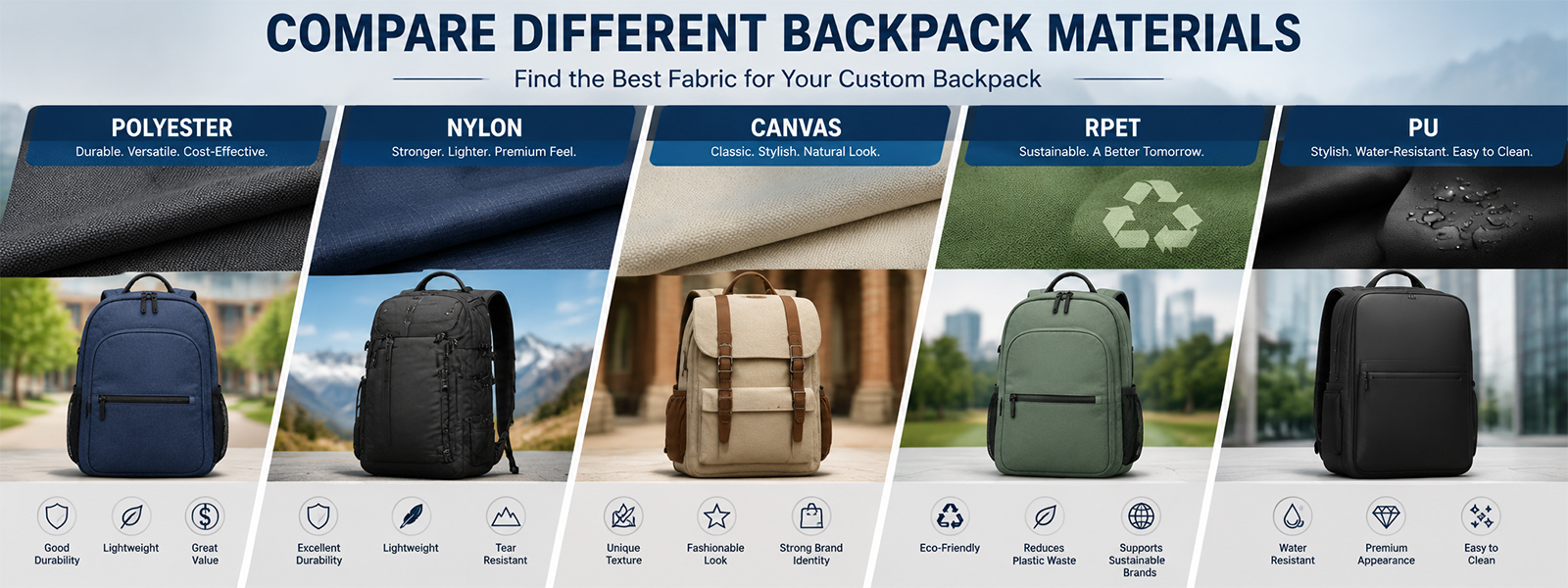
Polyester: The Most Popular Backpack Material
Polyester is one of the most widely used materials in bags manufacturing.
It is popular because it offers a good balance between durability, appearance, and cost efficiency.
Common polyester options include 300D, 600D, 900D, and higher-density fabrics. The higher the denier number, the thicker and stronger the fabric generally becomes.
Advantages of polyester backpacks include:
Good abrasion resistance
Lightweight construction
Easy color customization
Competitive pricing
Suitable for large-volume production
Polyester is commonly used for:
School backpacks
Promotional backpacks
Business backpacks
Everyday casual bags
For brands looking for reliable quality at a reasonable price point, polyester remains one of the best choices.
Nylon: Premium Performance and Durability
Nylon is another popular material, especially for products that require higher strength and performance.
Compared with polyester, nylon usually offers better abrasion resistance and a softer, more premium feel.
Key benefits include:
Excellent durability
Strong tear resistance
Lightweight performance
Smooth appearance
Suitable for outdoor applications
Nylon backpacks are often used for:
Travel backpacks
Outdoor backpacks
Sports bags
Premium laptop backpacks
For brands targeting professionals, travelers, or outdoor customers, nylon can create a more premium product experience.
Canvas: A Classic and Fashionable Choice
Canvas has become increasingly popular among lifestyle and fashion brands.
Made from cotton or cotton-blend materials, canvas provides a natural texture and a classic appearance.
Benefits of canvas backpacks include:
Unique fabric texture
Fashionable appearance
Strong brand identity
Suitable for casual and lifestyle products
Canvas is commonly used for:
Fashion backpacks
Vintage-style bags
College backpacks
Lifestyle collections
Although canvas is usually heavier than polyester or nylon, many customers appreciate its premium look and natural feeling.
RPET: Sustainable Materials for Eco-Friendly Brands
Sustainability is becoming more important in today's market.
RPET (recycled polyester) is made from recycled plastic bottles and provides brands with an environmentally friendly material option.
Many companies are choosing RPET backpacks because they want to:
Reduce environmental impact
Support sustainable product development
Meet consumer expectations
Build a greener brand image
RPET is widely used for:
Corporate promotional bags
School backpacks
Eco-friendly collections
Retail products
For brands focusing on sustainability, recycled materials can become an important selling point.
PU Coated Fabrics: Protection and Premium Appearance
PU-coated fabrics are often selected when brands need a stylish appearance combined with additional protection.
These materials can provide:
Water resistance
Smooth surface finishing
Modern appearance
Easy cleaning
PU coated materials are often used for:
Fashion backpacks
Business bags
Premium lifestyle products
They can create a more sophisticated look compared with traditional fabric materials.
How to Choose the Right Backpack Material
There is no single "best" backpack material for every project.
The right choice depends on several factors:
1. Product Purpose
A school backpack needs comfort and durability.
A travel backpack requires stronger materials and better protection.
A fashion backpack focuses more on appearance and brand identity.
2. Target Price
Material selection has a direct impact on production cost.
A professional backpack manufacturer can recommend materials that match your target price while maintaining the expected quality level.
3. Brand Positioning
Premium brands may choose nylon, canvas, or specialty fabrics.
Value-focused brands may prefer polyester.
Eco-conscious brands may select RPET.
The material should support your brand message.
4. Function Requirements
Consider:
Water resistance
Weight
Strength
Cleaning ability
Color options
Printing compatibility
Different materials provide different advantages.
Why Material Selection Matters in Backpack Manufacturing
A good backpack design is not only about appearance.
The right combination of fabric, lining, foam, accessories, and construction methods determines the final product quality.
An experienced OEM and ODM backpack manufacturer can help brands evaluate different materials and recommend the best solution based on product goals.
At Glint, we work with customers to develop customized backpacks using a wide range of materials, including polyester, nylon, canvas, RPET, PU, PVC, and other specialty fabrics.
From material selection and sample development to mass production and quality inspection, our team helps brands create backpacks that meet market expectations.
Final Thoughts
Choosing the right backpack material is the foundation of successful product development.
Polyester offers excellent value and versatility. Nylon provides premium durability. Canvas delivers a unique lifestyle appearance. RPET supports sustainable branding. PU creates a modern and stylish finish.
The best material depends on what you want your backpack to achieve.
By working with an experienced custom backpack manufacturer, brands can make better material decisions, control production costs, and create products that customers truly appreciate.
If you are developing a new backpack collection and need professional support with materials, design, and manufacturing, Glint is ready to help turn your ideas into high-quality products.
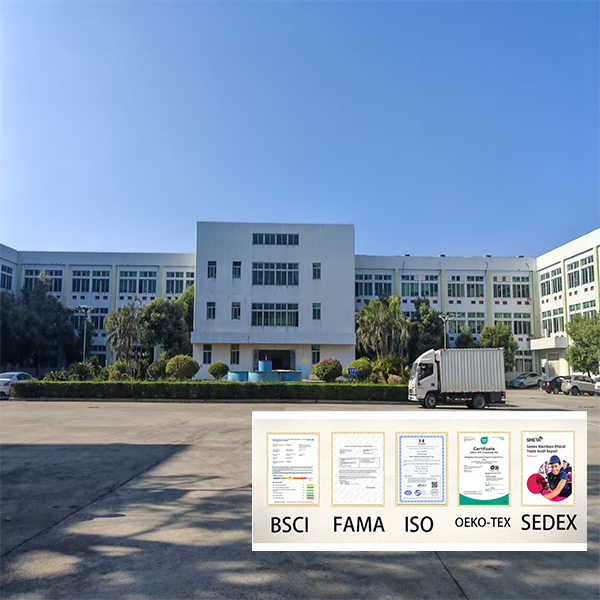
Factory
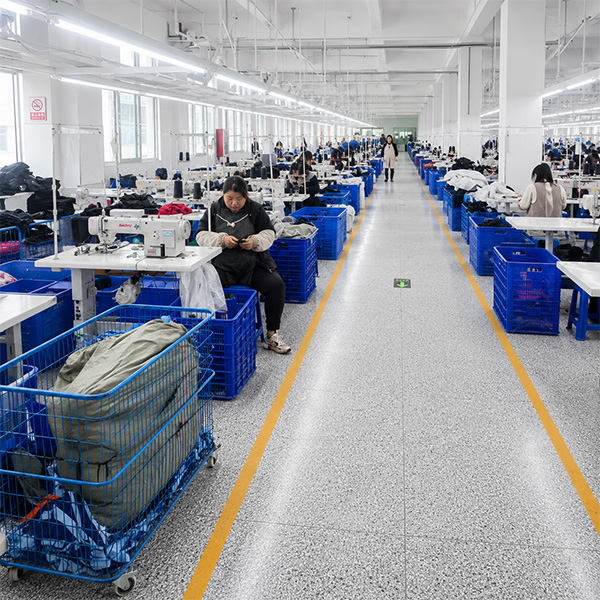
Production line
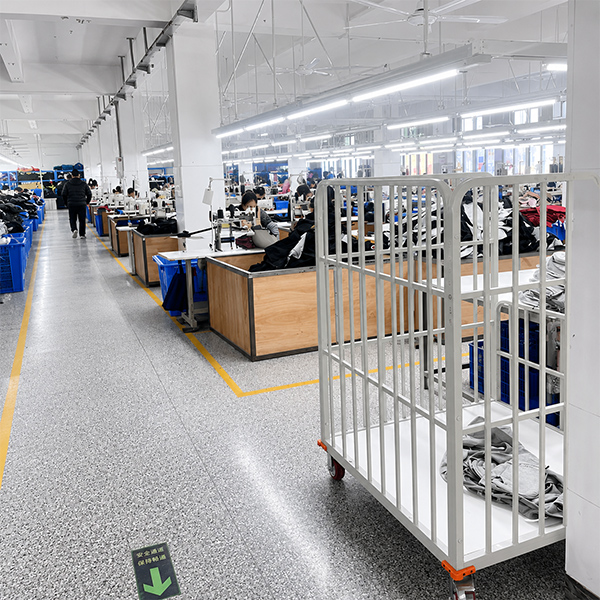
Production line
warehouse