

Behind the Scenes: How Quality Backpacks Are Made
A backpack may look like a simple everyday product, but behind every well-made backpack is a detailed manufacturing process involving design, materials, skilled workers, specialized equipment, and careful quality control.
From school backpacks and laptop bags to travel backpacks and promotional bags, each product goes through multiple stages before it is ready for delivery. Every fabric panel, zipper, buckle, strap, and logo must work together to create a product that looks good, performs well, and meets the customer's expectations.
So, how are quality backpacks actually made?
Let's take a behind-the-scenes look at the complete backpack manufacturing process—from the first idea to final shipment.
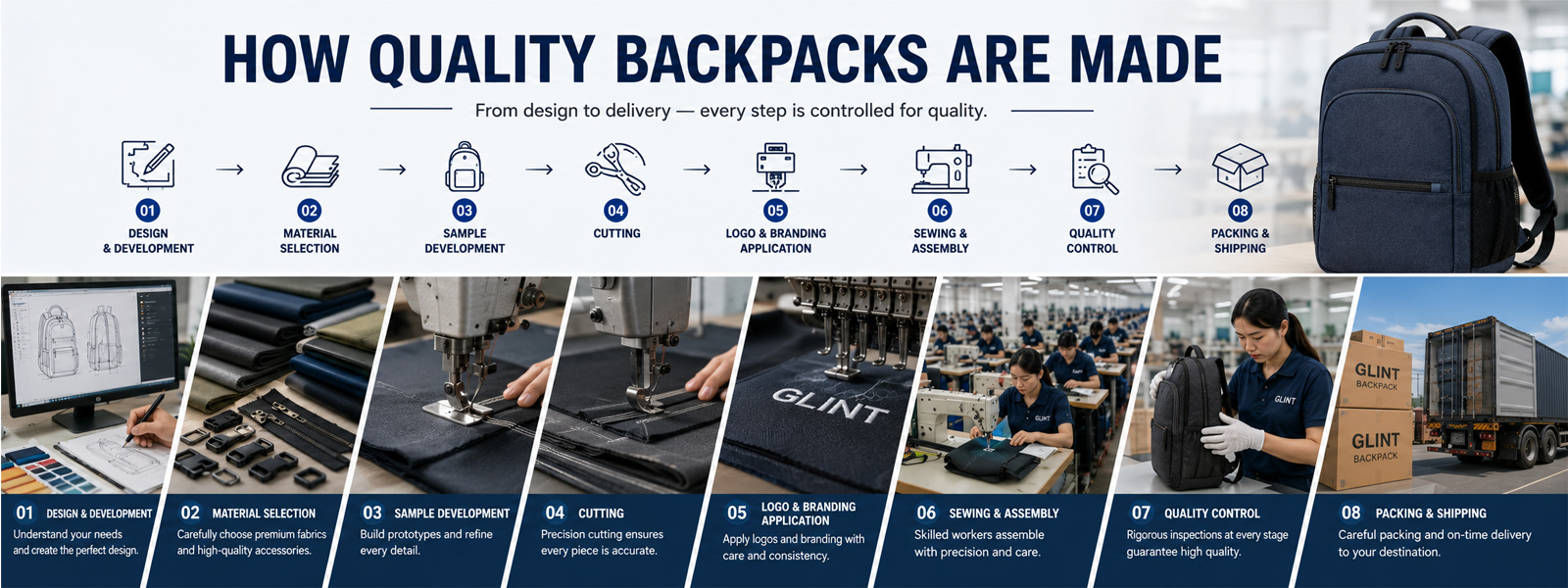
Step 1: Understanding the Backpack Design
Every backpack starts with an idea.
Some customers provide a detailed tech pack with measurements, materials, colors, construction drawings, and logo specifications. Others may only have a reference photo, a rough sketch, or a general product concept.
At this stage, the manufacturer's product development team needs to understand several important details:
Who will use the backpack?
What will they carry?
Which market will the product be sold in?
What is the target price?
Are there any special functions or testing requirements?
A school backpack, for example, may require lightweight materials, comfortable shoulder straps, multiple storage compartments, and durable construction. A business laptop backpack may focus more on device protection, professional styling, and organized storage.
Clear communication during the design stage helps prevent unnecessary revisions later.
Step 2: Selecting Fabrics and Accessories
Material selection has a major influence on the appearance, durability, function, and cost of a backpack.
Common backpack fabrics include polyester, nylon, canvas, ripstop, recycled polyester, PU, and other coated materials. Each option has different advantages depending on the intended use and target market.
However, a backpack is made from much more than fabric.
Other components may include:
Lining materials
Zippers and zipper pullers
Buckles and adjusters
Webbing and elastic straps
Mesh fabrics
Foam and padding
Thread
Reflective materials
Labels and logo patches
An experienced backpack manufacturer can recommend suitable materials based on the customer's design, quality expectations, and budget.
The goal isn't always to select the most expensive material. The goal is to choose materials that provide the right balance between performance, appearance, and cost.
Step 3: Pattern Making and Sample Development
Once the design and materials are confirmed, the product development team creates the backpack patterns.
Pattern makers translate the design into individual components that can be cut and sewn together. They need to consider dimensions, seam allowances, pocket construction, zipper placement, padding thickness, and the way different materials connect.
The sample team then creates the first physical prototype.
This is one of the most important stages of custom backpack manufacturing because it allows both the customer and manufacturer to evaluate the product before mass production.
During sample review, the team checks:
Overall size and shape
Pocket dimensions
Storage capacity
Shoulder strap comfort
Material appearance
Logo size and placement
Zipper function
Product structure
Adjustments can then be made before the final sample is approved.
At Glint, we turn a backpack idea into a sample in just 7 days, many standard backpack samples can be completed within approximately seven days after the materials and product details are confirmed.
Step 4: Inspecting Materials Before Production
Quality control begins before sewing—not after production is finished.
When fabrics and accessories arrive, they should be inspected before being released to the cutting and production teams.
Fabric inspection may include checking:
Material color
Fabric width
Surface defects
Coating quality
Color consistency
Fabric weight and texture
Zippers, buckles, webbing, metal accessories, and other accessories are also checked to confirm that they match the approved specifications.
Identifying material problems early helps reduce waste, avoid production delays, and prevent defects from appearing in finished products.
Step 5: Cutting and Preparing the Components
After materials pass inspection, the fabric is prepared for cutting.
Backpacks often contain many individual parts, including front panels, side panels, back panels, pockets, shoulder straps, handles, lining pieces, reinforcement layers, and internal dividers.
The cutting team follows the approved patterns carefully to ensure every panels has the correct size and shape.
After cutting, the panels are counted, grouped, and organized for production. Proper preparation is important because missing or incorrectly cut pieces can slow down the sewing process.
Some materials may also require additional preparation, such as adding foam, reinforcement boards, adhesive layers, or backing materials.
Step 6: Adding Logos and Custom Branding
Custom branding is an important part of OEM and private label backpack manufacturing.
Depending on the design, logos may be added before or during the sewing process.
Common logo methods include:
Screen printing
Heat-transfer printing
Sublimation printing
Embroidery
Woven labels
Rubber patches
Metal logos
Custom zipper pullers
Each making way creates a different appearance and has different requirements for cost, quantity, durability, and production time.
For example, embroidery can create a premium and textured appearance, while heat-transfer printing works well for detailed, multi-color graphics.
Before mass production, logo size, color, position, and workmanship should be approved to ensure brand consistency.
Step 7: Sewing and Backpack Assembly
Now the backpack begins to take shape.
Skilled sewing workers assemble the individual panels step by step. Smaller parts, such as pockets, shoulder straps, handles, and internal organizers, are often prepared first.
These sections are then combined to create the main backpack structure.
Backpack sewing requires experience because workers handle different materials, thicknesses, curves, zippers, foam layers, and reinforced areas. A small sewing error can affect the shape, appearance, or function of the finished product.
Production teams follow approved samples and technical instructions to maintain consistency throughout the order.
At Glint, multiple production lines and experienced sewing teams support different backpack categories and order requirements.
Step 8: In-Line Quality Control
Quality inspection continues while backpacks are being produced.
In-line quality control allows problems to be identified and corrected before large quantities are completed.
QC inspectors may check:
Stitching quality
Seam strength
Measurements
Pocket position
Zipper installation
Logo placement
Shoulder strap construction
Overall appearance
If an issue is found, the production team can make adjustments immediately.
This approach is more effective than waiting until the end of production because it reduces rework and helps maintain consistent quality across the entire order.
Step 9: Final Inspection and Product Testing
After production is completed, finished backpacks go through a final inspection.
Inspectors compare the products with the approved sample and customer specifications.
The inspection may include:
Product measurements
Stitching and workmanship
Zipper function
Buckle performance
Logo accuracy
Pocket construction
Strap attachment
Interior cleanliness
Trimming threads
Overall appearance
Depending on the product and customer requirements, additional tests may also be performed, such as loading tests, strap-strength tests, zipper tests, or material testing.
Finished backpacks should only move to the packing stage after meeting the required quality standards.
Step 10: Packing and Shipping
The final stage is packing.
Each backpack is cleaned, shaped, and prepared according to the customer's packaging requirements.
Common packaging options include individual polybags, hangtags, barcode labels, tissue paper, custom boxes, and export cartons.
Carton size and packing quantity should be planned carefully to protect the products while controlling shipping costs.
Before shipment, the packing team confirms:
Product quantity
Color and style assortment
Carton markings
Shipping labels
Packaging requirements
The finished order is then ready for delivery by sea, air, train, or other transportation methods.
Why Manufacturing Experience Matters
A reliable backpack manufacturing process depends on more than machines.
It requires experienced product developers, skilled pattern makers, trained sewing workers, professional quality inspectors, organized production management, and clear communication between every department.
At Glint, we provide OEM and ODM bag manufacturing services for brands, importers, retailers, promotional companies, and other business customers.
With more than 15 years of manufacturing experience, dedicated design and sample teams, multiple production lines, skilled sewing workers, and professional quality control, we support customers from initial product development to final delivery.
Our goal isn't simply to manufacture backpacks. We help customers develop products that meet their market needs, quality expectations, and business goals.
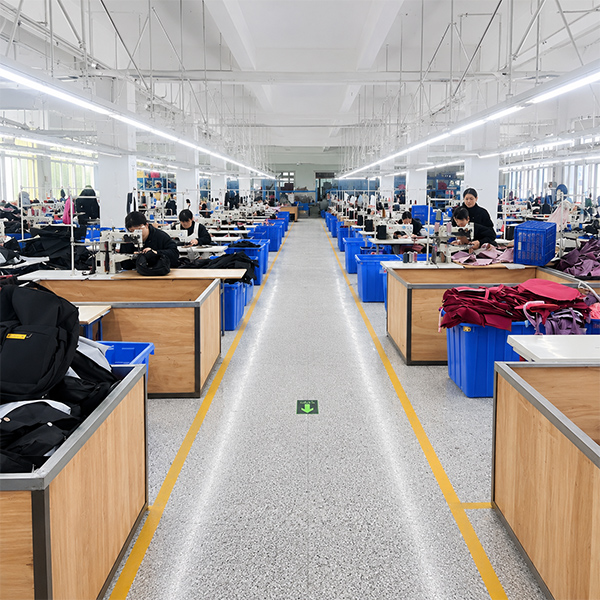
Product line
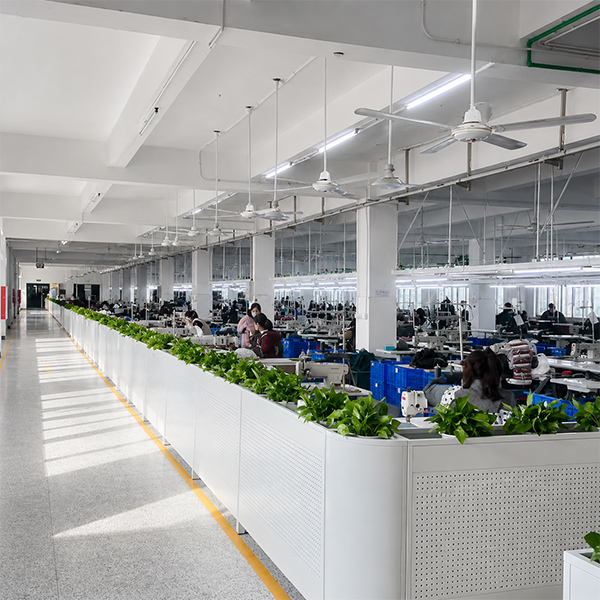
Product line
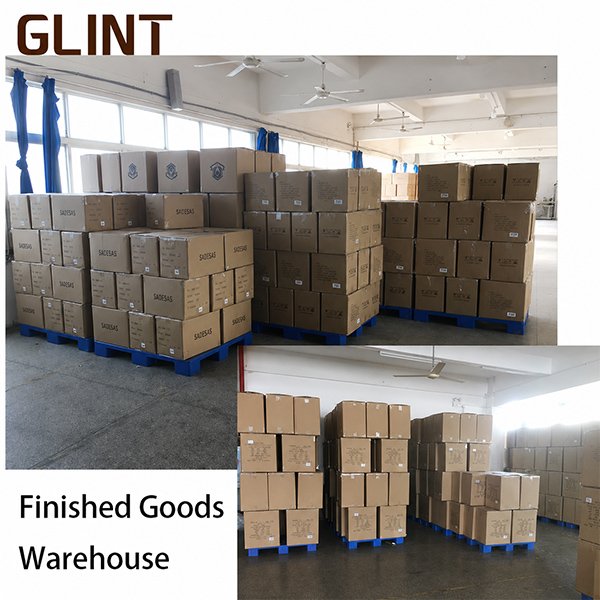
warehouse
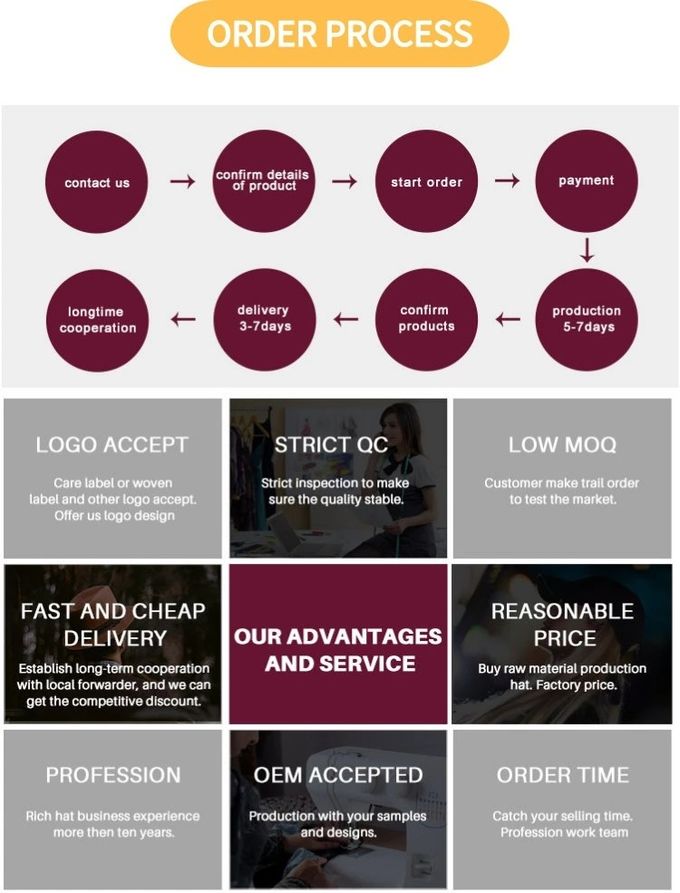
order process